


Last Updated: October 23, 2026
Quick Summary
To stop chafing during intense workouts, remove any one of its three triggers: friction, moisture, and heat. Wear properly fitted, moisture-wicking clothing with flat seams and liners, apply anti-chafing balm to hot spots before you start sweating, and change out of sweaty gear right away.
- Chafing comes from friction, sweat, and heat; removing any one trigger reduces irritation fast.
- Apply anti-chafing balm to dry skin before training, not after it starts to hurt.
- A built-in liner is the single biggest upgrade for preventing thigh rub in runners.
- Reapply lubricant on sessions lasting past the hour mark.
- Rinse off salt crystals soon after training and dry hot spots fully before dressing.
Table of Contents
- Why Chafing Happens During Intense Workouts
- How to Prevent Thigh Chafing When Running
- The Best Clothes to Prevent Chafing During Workouts
- How to Choose an Anti-Chafing Balm for Exercise
- How to Treat Workout Chafing (Including Broken Skin)
- A Workout-Specific Prevention Routine
- Forcis Gear Built to Reduce Rubbing
- Conclusion
- Frequently Asked Questions
Why Chafing Happens During Intense Workouts
Chafing is skin irritation caused by repeated friction, and it gets worse when sweat and heat soften the skin, so the first step to stop chafing is understanding what you're up against.
Friction, Sweat, and Heat: The Three Triggers
Three things combine to cause chafing: friction, moisture, and heat. Remove any one of them and the irritation drops fast.
- Friction comes from skin rubbing skin, or skin rubbing fabric. Repetitive motion multiplies it.
- Sweat softens the skin barrier, so it breaks down sooner. Humidity makes this worse.
- Heat traps moisture against the body and keeps the cycle going.
Common hot spots include inner thighs, underarms, nipples, and waistbands. Heavy sweaters feel it first. If sweat management is your main problem, it helps to understand which moisture-wicking fabrics actually perform before you buy another shirt.
How to Prevent Thigh Chafing When Running
Thigh chafing is the most common complaint from runners, and it's almost always a clothing problem before it's a skin problem. Thigh rub gets worse with distance, heat, and loose fabric that bunches between the legs.
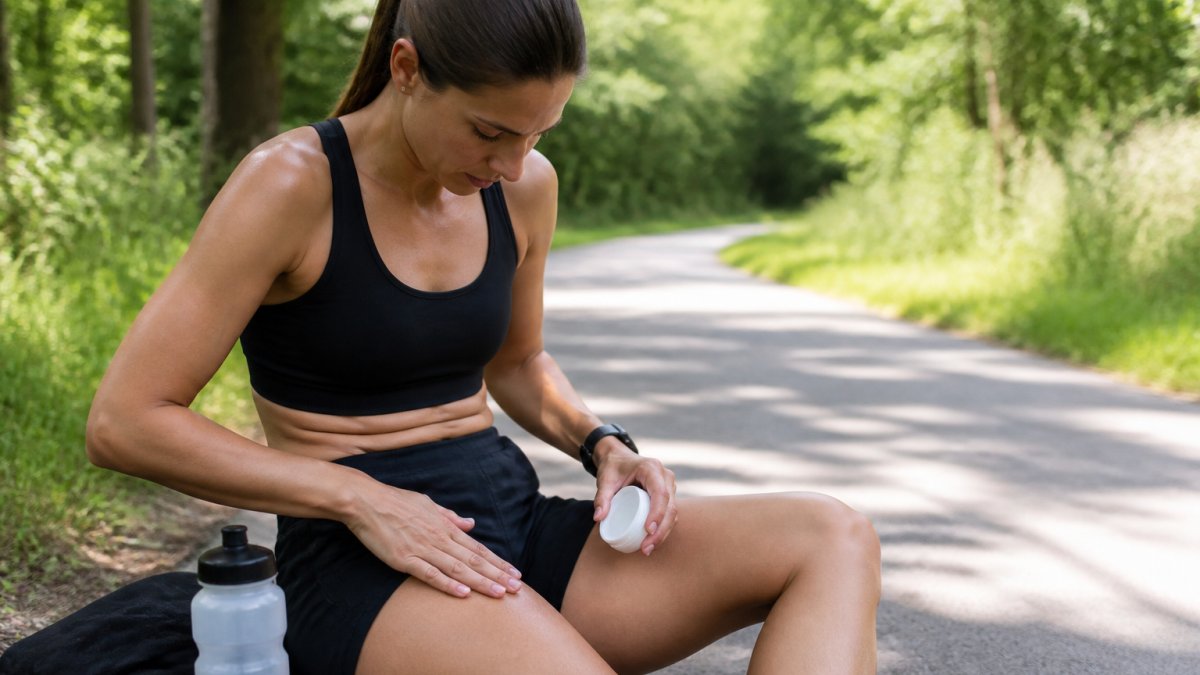
Start with these habits:
- Apply anti-chafing balm to inner thighs before you start, not after it hurts.
- Choose shorts with a liner so fabric stays put instead of riding up.
- Avoid cotton. It holds sweat against the skin.
- Reapply lubricant on runs past the hour mark.
Shorts Length, Liners, and Seam Placement
A built-in liner is the single biggest upgrade for thigh rub. It holds fabric steady and cuts skin-to-skin contact. Seam placement matters too: flat seams and seams moved away from the inner thigh reduce hot spots.
If you want a deeper guide to liner-equipped shorts before choosing a pair, consider fit, length, and fabric.
The Best Clothes to Prevent Chafing During Workouts
The best clothes to prevent chafing during workouts are moisture-wicking, properly fitted, and free of rough seams in high-friction zones. Fabric choice does most of the work. Fit does the rest.
Look for these traits:
- Moisture-wicking fabric that pulls sweat off the skin
- 4-way stretch so the garment moves with you, not against you
- Flat or offset seams away from inner thighs and underarms
- A liner or compression layer to stop skin-to-skin contact
- A snug but not tight fit that won't bunch or shift
Compression shorts and spandex tights work well under looser shorts. For upper-body movement, a well-fitted performance tee reduces underarm and nipple rub during long sessions.
Fit and Fabric Troubleshooting
Most chafing complaints trace back to fit. Here's how to diagnose yours:
Problem |
Likely Cause |
Fix |
|---|---|---|
Shorts ride up between legs |
Too loose or no liner |
Switch to a lined short |
Underarm rub |
Baggy sleeve or rough seam |
Try a fitted performance tee |
Waistband irritation |
Elastic digging in |
Size up or pick a softer band |
Nipple chafing on long runs |
Loose, wet fabric |
Use a fitted wicking top |
Fabric sticks to skin |
Cotton or heavy blend |
Move to wicking fabric |
If you're troubleshooting fabric and fit for outdoor training, durable runner shorts for outdoor sports are built for exactly that.
How to Choose an Anti-Chafing Balm for Exercise
Choose an anti-chafing balm by matching its formula to your sweat rate, session length, and where you'll apply it, not by grabbing whatever is on the shelf. A light stick that works for a 30-minute gym session can fail on a two-hour run in humidity. The right product stays put, feels comfortable, and doesn't need constant reapplication.
Here's how the main product types compare on the factors that matter during intense workouts:
Product type |
Sweat resistance |
Feel |
Best application areas |
Reapplication needs |
|---|---|---|---|---|
Petroleum jelly |
High, creates a physical barrier |
Thick, greasy, can stain fabric |
Inner thighs, feet, underarms |
Low on short sessions; may need a mid-session top-up in extreme heat |
Anti-chafing stick |
Moderate, depends on formula |
Dry, glide-on, less messy |
Inner thighs, nipples, waistbands |
Moderate; carry for sessions over an hour |
Cream or lotion |
Moderate to high |
Absorbs partially, leaves a film |
Large areas like thighs and underarms |
Higher; reapply on long or hot sessions |
Gel |
Lower, absorbs faster |
Lightweight, cooling |
Smaller hot spots |
High; reapply sooner than creams |
Powder |
Low, manages moisture, not friction |
Dry, can clump when wet |
Skin folds, feet, groin |
High in heavy sweat; clumps and loses effect |
Matching the Product to Your Workout
- Running and HIIT: A sweat-resistant stick or cream on inner thighs, nipples, and underarms. Carry a small stick for runs past the hour mark.
- Cycling: A chamois cream on the sit bones and inner thighs; a barrier balm on any seam-contact points.
- Weightlifting: A light stick on inner thighs and waistband areas is usually enough; heavy sweating under a belt may need a cream.
- Hiking: A long-lasting cream or petroleum jelly on feet, inner thighs, and underarms, with powder for skin folds in heat.
What to Check Before You Buy
- Fragrance-free if your skin is sensitive or you've had reactions before.
- Sweat resistance, look for formulas described as long-lasting or water-resistant for humid or hot conditions.
- Skin barrier ingredients like dimethicone or petrolatum that stay put under sweat.
- Easy reapplication, a stick or small tube you can carry beats a tub you leave at home.
- Fabric compatibility, some petroleum-based products can stain technical fabrics; test on a small area first.
How to Treat Workout Chafing (Including Broken Skin)
Treat workout chafing by stopping the friction, cleaning the area gently, and letting skin recover before you train again. Mild redness usually settles in a day or two. Broken, raw, or weeping skin needs more careful handling and a longer pause.
For Mild Redness and Irritation
- Stop the activity and rinse the area with cool water. Avoid harsh soaps or scrubbing.
- Pat dry with a clean towel. Don't rub.
- Apply a fragrance-free barrier cream or ointment to protect the skin.
- Wear loose, dry clothing while it heals.
- Avoid the same friction pattern until redness fades, switch to lined shorts or a different garment if needed.
For Broken or Severely Irritated Skin
- Cleanse gently with cool water and a mild, fragrance-free cleanser. Don't use alcohol or hydrogen peroxide, which can damage healing tissue.
- Keep it covered with a sterile, non-stick dressing to reduce further friction and keep bacteria out.
- Skip lubricants and powders on open skin until it closes; they can sting and trap debris.
- Change dressings daily and keep the area dry between changes.
- Avoid training the affected area until the skin has closed and is no longer tender. Cross-train in a way that doesn't rub the same spot.
When to Seek Medical Advice
Most chafing heals on its own with basic care. See a healthcare professional if you notice:
- Increasing pain, swelling, or warmth around the area
- Pus, spreading redness, or a foul odor
- Fever or feeling unwell
- Bleeding that doesn't stop with gentle pressure
- No improvement after several days of care
Preventing the Next Round
Once skin has healed, address the cause to stop chafing from returning: switch to properly fitted, moisture-wicking clothing with flat seams, use anti-chafing balm on known hot spots before training, and change out of sweaty gear promptly. If the same area keeps breaking down, revisit your gear fit and fabric choices before your next hard session.
A Workout-Specific Prevention Routine
Prevention works best as a routine tied to your workout type, not a one-time fix. Here's how we'd structure it.
Before training:
- Apply balm to known hot spots
- Check that shorts and shirts sit flat with no bunching
- Choose lined shorts for running and HIIT
During training:
- Reapply lubricant on sessions past an hour
- Adjust gear that shifts or rides up
After training:
- Change out of sweaty gear right away
- Rinse and dry hot spots fully
Match gear to activity. Running and HIIT need lined shorts and fitted tops. Cycling needs a chamois or snug short. Hiking and weightlifting benefit from 4-way stretch that won't bind at the waist or thighs.
Forcis Gear Built to Reduce Rubbing
Forcis builds performance apparel for training, trail, and everyday wear, and our lined shorts are designed with friction in mind. The Mercury Runner 2.0 Short uses an ultra-light 4-way stretch fabric with a breathable mesh brief liner and a 5.0 inseam, made for the serious runner. The liner holds fabric steady against the thigh, which is where most rub starts.

For a longer training short, the Standard Issue 6.5 (Lined) Short pairs proprietary 4-way stretch fabric with a built-in mesh brief liner, a rear stash pocket, and a media pocket in the liner. It has the performance and versatility for any level of workout.

Both are built to move with you without bunching or shifting. That's the whole point: less fabric movement means less friction.
Conclusion
Chafing is a friction problem, and friction is mostly a gear problem. Fix the fit, manage the sweat, and lubricate the hot spots before they hurt.
Forcis makes lined performance shorts with 4-way stretch and mesh liners designed to cut the rubbing that causes chafing. Our gear is built for adventure and worn everywhere. Get started with Forcis and train without the sting.
Frequently Asked Questions
How do I stop chafing during intense exercise?
Start with fitted, moisture-wicking clothing that moves with you and has flat seams. Apply an anti-chafing balm or anti-friction stick to high-friction zones like inner thighs, underarms, and nipples before you sweat. Keep skin dry where possible, and change out of damp gear promptly after training. For long or hot sessions, reapply lubricant at the halfway point. If you feel hot spots forming, address them immediately rather than pushing through, because early irritation escalates fast during repetitive motion.
What should I wear to prevent chafing during a workout?
Choose moisture-wicking fabric over cotton, which holds sweat against skin and increases friction. Look for flat seams, a fit that stays in place without bunching, and shorts with a liner or compression layer to reduce skin-to-skin contact. For running, a 5-inch to 7-inch inseam short with a breathable mesh liner works well. For lifting and HIIT, fitted tops and shorts that do not shift during movement help. Avoid loose, heavy fabrics that trap heat and rub with every rep.
Is baby powder good for chafing?
Powder can help absorb moisture and reduce friction in mild cases, but it is not a reliable fix for intense workouts. Sweat quickly turns powder into a paste that can increase rubbing, and inhaling powder particles is a concern during heavy breathing. An anti-chafing balm or anti-friction stick typically lasts longer under sweat and stays where you apply it. If you prefer powder, apply it to dry skin before activity and reapply only after toweling off.
When should I change out of sweaty workout clothes?
Change as soon as practical after training, ideally within 15 to 30 minutes. Damp fabric against skin keeps the friction cycle going and can worsen existing irritation. If you cannot shower immediately, towel off the high-friction areas, change into dry clothes, and clean the skin gently. For chafing that has already broken the skin, wash with mild soap and water, pat dry, and cover with a protective barrier until it heals.


