


Last Updated: November 17, 2026
Quick Summary
The best running shorts with phone pocket use a built-in mesh liner that holds your phone flat against your thigh, so it stops swinging and tugging at the waistband. Choose a 5-inch inseam for speed work, 6.5-inch for long runs, and 7-inch or longer for trail running.
- The Mercury Runner 2.0 Short pairs a mesh liner phone pocket with a 5.0 inseam 4-way stretch shell.
- A 6.5-inch inseam gives more coverage on long runs and reduces thigh chafe.
- A thin, narrow waistband paired with a large phone is the most common cause of roll-down.
- Test bounce by jogging, doing high knees and squats, then sprinting 20 metres.
- Sweat reduces friction inside the pocket, so a phone can slide once the liner is soaked.
Table of Contents
- Why the Right Phone Pocket Changes Your Run
- 2-in-1 Running Shorts with Phone Pocket: Built-In Liner Storage
- Best Compression Shorts with Phone Pocket for Long Distances
- Running Shorts with Phone Pocket at Back: Security or Bounce Risk?
- Best Running Shorts with Phone Pocket Men: Fit, Inseam, and Waistband
- How to Test Phone Bounce Before You Commit
- Shop Forcis Running Shorts Built for Phone Storage
- Frequently Asked Questions
Why the Right Phone Pocket Changes Your Run
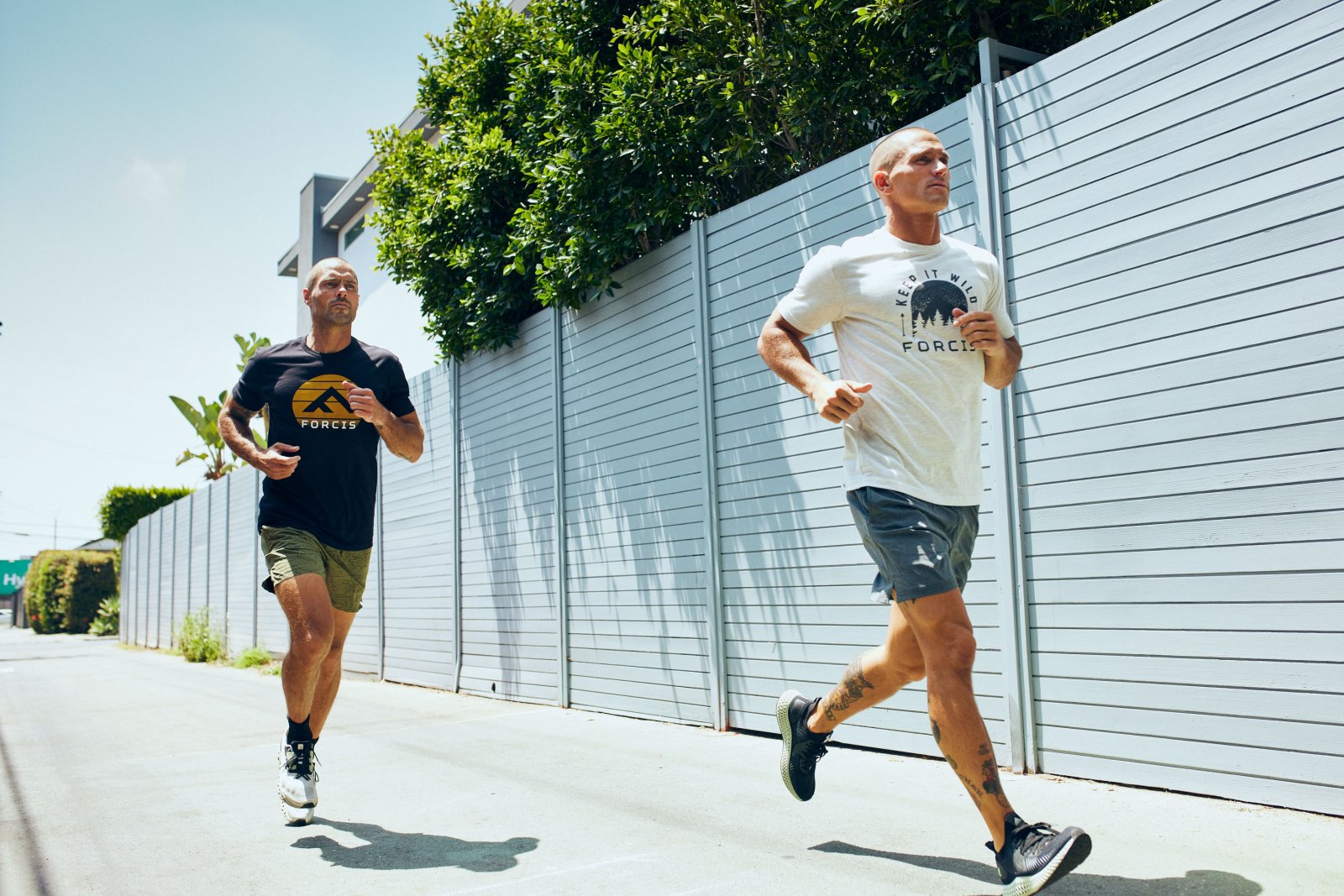
A phone that shifts with every stride turns a easy run into a constant distraction. The best running shorts with phone pocket design solves that problem before you take your first step. At Forcis, we build gear around one idea: your essentials should disappear while you move. A well-placed pocket holds your phone flat against the body, so it stops swinging, stops tugging at the waistband, and stops pulling your attention away from pace and form. Get the pocket wrong and you spend the run hitching up your shorts. Get it right and you forget the phone is there.
2-in-1 Running Shorts with Phone Pocket: Built-In Liner Storage
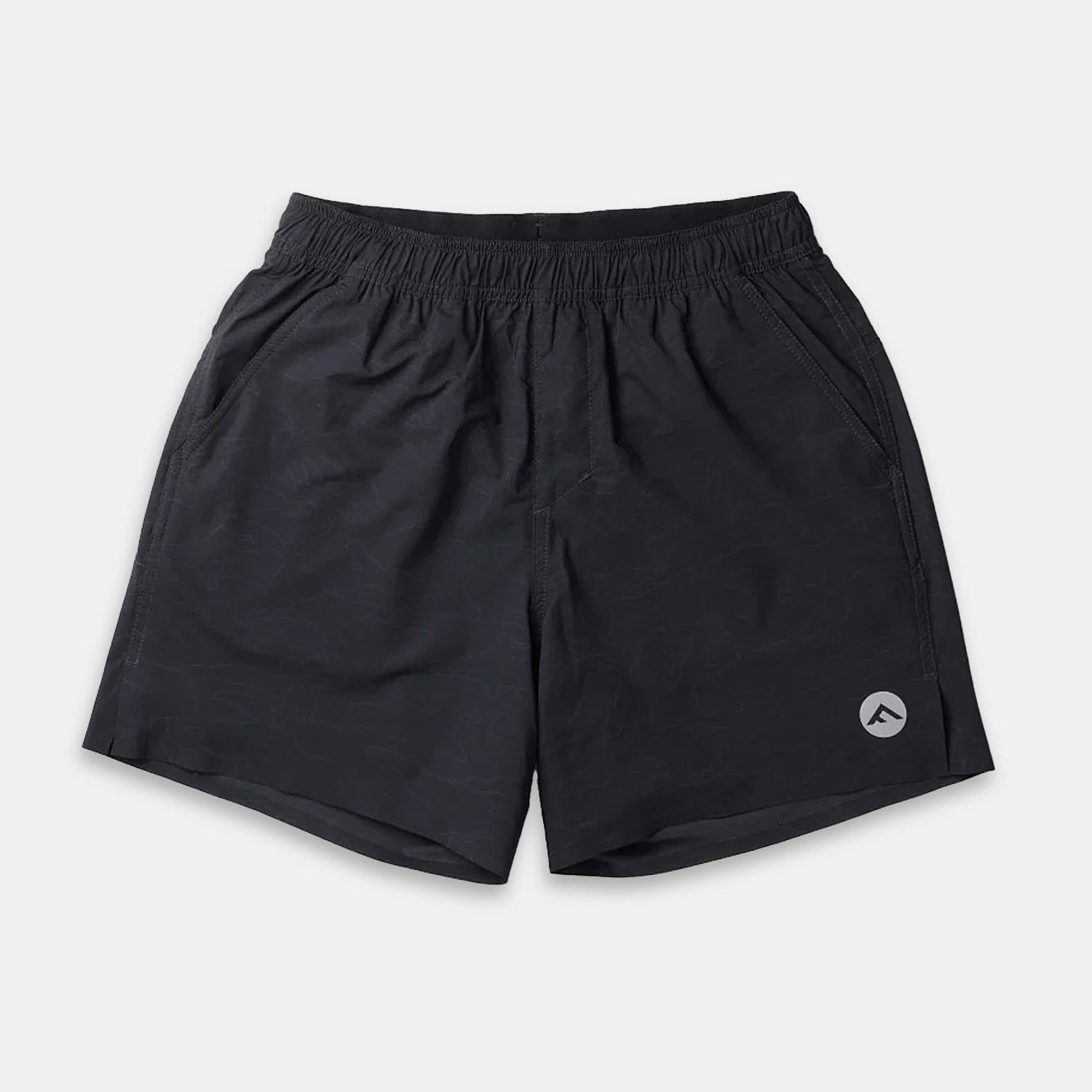
Built-in liner storage is the cleanest fix for phone carry. A 2-in-1 running shorts with phone pocket setup pairs an outer shell with a brief mesh liner, and the liner holds the phone tight against your thigh. That means no extra belt, no armband, and no bouncing pouch. The Mercury Runner 2.0 Short uses exactly this approach: a mesh breathable liner with a cell phone pocket, wrapped in a lightweight 4-way stretch shell with a 5.0 inseam. A hidden back yoke zipper pocket takes keys and cards.
Best Compression Shorts with Phone Pocket for Long Distances
Long distances punish loose gear. A compression fit holds the phone closer to the body, which cuts movement over thousands of strides. When you compare the best compression shorts with phone pocket options, look for a liner that grips without pinching and a shell that stays put when you sweat. Browse the full collection of lined running shorts to compare fits and lengths side by side before you decide.
Running Shorts with Phone Pocket at Back: Security or Bounce Risk?
A rear pocket is secure but it is not automatically stable. The question with running shorts with phone pocket at back designs is whether the phone sits flat or swings. A large phone in a loose rear pocket will thump against your lower back at speed.
Best Running Shorts with Phone Pocket Men: Fit, Inseam, and Waistband
Fit decides whether a phone pocket works at all. A pocket that is perfectly placed on one runner can sit too low, too high, or too loose on another, and the difference usually comes down to four measurements: inseam, rise, waistband construction, and thigh circumference.
Inseam and coverage. A 5-inch inseam suits speed work, hot days, and runners who want maximum range of motion. A 6.5-inch inseam gives more coverage on long runs and reduces thigh chafe for runners with fuller quads. A 7-inch or longer inseam is the safer pick for trail running, where brush and debris make coverage matter. Shorter inseams expose more thigh, so the liner pocket has to grip firmly or the phone will migrate toward the hem.
Rise and waistband. A mid-rise cut keeps the liner pocket against the upper thigh instead of riding up into the hip crease. A flat elastic waistband with a drawcord resists rolling when the phone adds weight; a wide, soft-touch band distributes pressure better on longer efforts. Watch out: a thin, narrow waistband paired with a large phone is the most common cause of roll-down, especially on runners with a shorter torso.
Body shape and sizing notes. Runners with larger thighs often size up in the shell but should keep the liner true to size, because an oversized liner lets the phone slide. Runners with narrower hips may find that a mid-rise short sits higher than expected; check the rise measurement rather than assuming your usual size. For chafe-prone runners, look for flatlock seams and a liner that ends above the widest part of the thigh. Gender-specific designs matter here: men's cuts typically allow more room through the seat and thigh, while women's cuts often use a shorter rise and narrower waistband.
A practical fit check. Before you commit, measure your thigh at its widest point and compare it to the liner opening listed in the product specs. Then check the waistband against your natural waist, not your hip. Compare specs across the Standard Issue 6.5 short range to match inseam, rise, and waistband to your build. Smaller frames benefit from a true-to-size liner, not a baggy shell, and runners who alternate between road and trail may want one pair in each inseam length rather than forcing a single short to do both jobs.
Here is how inseam length changes what a phone-pocket short is good for.
Inseam |
Best for |
Note |
|---|---|---|
5-inch |
Speed work, hot days, maximum range of motion |
Liner pocket must grip firmly or phone migrates toward hem |
6.5-inch |
Long runs, fuller quads |
More coverage, reduces thigh chafe |
7-inch or longer |
Trail running |
Safer pick where brush and debris make coverage matter |
How to Test Phone Bounce Before You Commit
Bounce testing takes two minutes and saves a return, but most guides stop at "jog in place and see if it moves." That test misses the variables that actually decide whether a pocket works: your device size, its case, the pocket position, the phone's orientation, and the conditions you run in. Use a consistent protocol so you can compare shorts fairly.
Step 1: Match the phone to the pocket. A pocket that technically fits a phone is not the same as one that holds it securely. Measure your phone in its case (height, width, thickness) and compare it to the pocket opening. A common pattern is that a 6.1-inch phone in a bulky case fits a liner pocket but sits too high in a rear zipper pocket, while a smaller phone can shift sideways in an oversized liner. If you use a pop-socket or wallet case, test with it installed, because those add thickness that changes the fit.
Step 2: Test each pocket position. Load the phone into the liner pocket, then the rear zipper pocket, then any side pocket, and run the same sequence each time. Pocket position changes bounce mechanics: a liner pocket holds the phone against the thigh and limits swing, a rear pocket lets the phone thump against the lower back at speed, and a side pocket can pull the waistband sideways. Note which position keeps the phone flattest.
Step 3: Test orientation. Try the phone screen-in and screen-out in the liner pocket. Screen-in usually sits flatter against the thigh; screen-out can catch on the liner seam and rotate. Repeat with the phone upside down to see whether the pocket opening grips the top edge or lets it slide.
Step 4: Run the protocol. Jog in place for 30 seconds and listen for slapping. Do 10 high knees and 10 bodyweight squats. Sprint 20 metres and check whether the phone has shifted. Then repeat the whole sequence with the phone in each available pocket so the comparison is fair.
Step 5: Test across conditions. Pocket security changes with pace and weather. During intervals, the higher cadence and vertical oscillation expose loose pockets fastest. On long runs, cumulative movement matters more than any single stride, so check the phone position every few miles. On trails, side-to-side motion tests whether the pocket holds the phone against lateral forces. In hot or wet weather, sweat reduces friction inside the pocket, so a phone that stays put on a dry test can slide once the liner is soaked.
If the phone slaps, drops toward the hem, or rotates in the pocket, the pocket is too loose for your device. If it stays flat through all five steps, you have found a keeper. Weighing a purchase against other brands? Read our fit and pocket comparison with Path Projects shorts for a direct side-by-side.
Shop Forcis Running Shorts Built for Phone Storage
The right pair ends the search. Forcis builds all-terrain running gear for people who train hard and expect their kit to last. The Mercury Runner 2.0 Short pairs an ultra-light 4-way stretch shell with a mesh liner and phone pocket, reflective branding on front and back, and a hidden back yoke zipper pocket for valuables. First responders get a 25% discount, and our community runs on #TOBECOMESTRONGER. If you want trail-ready options that match the phone-storage criteria in this guide, see our running shorts built for phone storage and pick your pair.
Your phone should never be the reason a run feels off. Forcis makes shorts that hold your essentials flat and let you focus on the miles, with a breathable mesh liner and phone pocket, lightweight 4-way stretch fabric, and a hidden zipper pocket for keys and cards. Get started with Forcis and run without the bounce.
Frequently Asked Questions
How do I keep my phone from bouncing in running shorts?
Bounce comes from loose fabric and a shallow pocket. Look for a zippered or hidden pocket that sits close to the hip or lower back, and choose a stretch fabric that hugs the phone against your body. A 2-in-1 short with a mesh liner and built-in phone pocket holds the device tighter than a single-layer short. Test with your actual phone and case before a long run.
Are 2-in-1 running shorts better for carrying a phone?
In most cases, yes. The Mercury Runner 2.0 Short includes a mesh liner with a cell phone pocket. That means the device sits against your thigh rather than flopping in an outer pocket. If you carry a large phone or a thick case, check the pocket dimensions first, since liner pockets vary in capacity.
Where should a phone pocket be positioned on running shorts?
A back yoke or rear zippered pocket keeps the phone flat against your lower back and limits side-to-side swing. A side or waistband pocket is easier to reach mid-run but can bounce more if it is not zippered. For long-distance running, a rear zippered pocket paired with a liner phone sleeve gives the most secure carry. Try both placements on a short test run before committing.
Are compression shorts with phone pockets comfortable for long runs?
Compression shorts with a phone pocket work well for long runs when the fabric is moisture-wicking and the pocket sits flat against the thigh. The compression fit reduces bounce, but a poorly placed seam or an oversized phone can cause chafing. Check for flatlock seams and a pocket that sits on the outer thigh rather than the inner leg. Size up if you run in hot conditions and want more ventilation.


