


Table of Contents
- Why Proper Care Matters for Technical Athletic Fabric
- Step 1: Sort and Prepare Your Activewear
- Step 2: Choose Cold Water and the Right Wash Cycle
- Step 3: Select the Best Detergent for Athletic Wear
- Step 4: How to Wash Moisture-Wicking Clothes Without Damage
- Step 5: How to Remove Odor from Workout Clothes
- Step 6: How to Dry Technical Clothing Safely
- Common Mistakes That Damage Technical Athletic Fabric
- Frequently Asked Questions
Last Updated: October 12, 2026
Why Proper Care Matters for Technical Athletic Fabric
Technical athletic fabric is engineered to wick moisture, stretch with your movement, and resist odor, but these benefits disappear fast if you wash it wrong. Most people treat technical gear like cotton: hot water, fabric softener, then wonder why their moisture-wicking shirt stops working after six months.

At Forcis, we build apparel for serious athletes, first responders, and outdoor adventurers. Synthetic fibers like polyester, nylon, and elastane respond differently to heat, chemicals, and friction than natural fabrics: fabric softener blocks moisture-wicking, high heat damages elastane and stretch recovery, and rough washing breaks down technical finishes.
This guide covers exactly how to wash technical athletic fabric to keep it performing for years.
Step 1: Sort and Prepare Your Activewear
Preparing clothes correctly prevents color bleeding, reduces wear, and protects technical finishes.
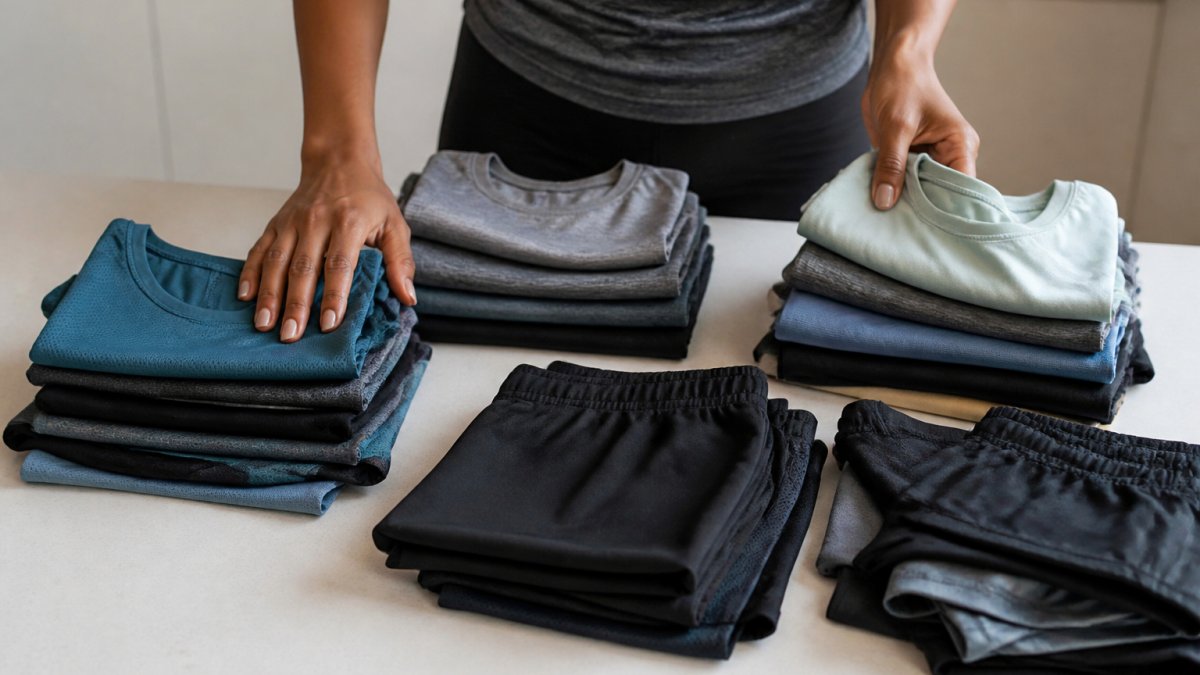
Separate by color and fabric type
Sort into darks, lights, and brights to prevent dye transfer, and keep technical performance fabrics separate from heavy cotton or denim, which create friction that damages delicate synthetic fibers.
Turn garments inside out
Flip activewear inside out to protect finishes and reflective details from friction and help detergent reach trapped sweat and odor. Close all zippers and secure velcro with the hook side against itself.
Step 2: Choose Cold Water and the Right Wash Cycle
Hot water breaks down elastane and synthetic fibers and sets sweat stains and odor permanently. Always use cold water for technical athletic fabric, it preserves elasticity, prevents fading, and still removes dirt and sweat.

Select a gentle or delicate cycle; standard cycles use more agitation and spin speed, stressing stretch and moisture-wicking materials. Use a "sportswear" or "activewear" cycle if available, and never use warm or hot water, even warm water degrades elastane faster than cold.
Step 3: Select the Best Detergent for Athletic Wear
Regular detergent leaves residue on technical fabrics that blocks moisture-wicking and traps odor.
Why activewear detergent matters
Activewear detergent removes sweat, oils, and odor from synthetic fibers without buildup, while standard detergents contain softeners and perfumes that coat technical fabrics. Look for detergents labeled for athletic wear, technical fabrics, or performance clothing.
Use less detergent than you think you need. Overloading leaves residue that traps moisture and creates odor problems.
Avoid fabric softener and dryer sheets
Never use fabric softener on technical athletic fabric. Softener coats synthetic fibers with a waxy layer that blocks moisture-wicking, turning your sweat-wicking shirt into a moisture-trapping shirt.

Skip dryer sheets too, they leave the same residue and shorten the life of elastane and stretch fabrics. For freshness, use a technical fabric detergent scented for athletic wear.
Step 4: How to Wash Moisture-Wicking Clothes Without Damage
The wash process determines whether your moisture-wicking clothes stay functional.
Machine washing versus hand washing
Machine washing is fine for most technical athletic fabric with cold water and a gentle cycle.
Hand washing suits delicate items, special finishes, or technical outerwear with water-repellent finishes. Fill a sink with cold water, add a little activewear detergent, soak 15-20 minutes, agitate gently, then rinse until clear.
Rinse settings and detergent residue
Detergent residue blocks moisture-wicking, traps odor, and reduces elasticity. Run an extra rinse cycle, most machines have a rinse-plus option; if not, run a second cold wash with no detergent. Heavy sweat buildup needs extra rinsing.
Step 5: How to Remove Odor from Workout Clothes
Persistent odor in technical athletic fabric is usually a residue problem, not a cleaning-power problem. Polyester and nylon are oleophilic, attracting body oils, sebum, and fatty sweat compounds. Leftover residue feeds odor-causing bacteria that reactivate when you sweat, which is why a shirt can smell clean out of the wash and terrible ten minutes into a workout.
The safe odor-removal sequence
Work through these steps in order. Stop as soon as the odor is gone.
Step 1: Confirm the garment is actually clean. Run a normal cold-water wash with technical-fabric detergent and an extra rinse.
Step 2: Soak in cold water with white vinegar. Use about one cup of white vinegar per gallon of cold water, submerge fully, and soak 30 minutes.
Step 3: Wash normally. After the soak, wash with a small amount of technical-fabric detergent on a gentle cold cycle, plus the extra rinse.
Step 4: Air dry and inspect. Smell the garment damp and again once dry. If the smell is gone, you are done; if it lingers, repeat the sequence once.
Step 5: If odor persists after two full cycles, escalate carefully. For heavy buildup, use an oxygen-based (percarbonate) cleaner instead of vinegar.
What to avoid when treating odor
- Do not use chlorine bleach on elastane, spandex, or technical shells. Bleach degrades elastic fibers and can compromise waterproof membranes and DWR finishes.
- Do not use hot water to 'kill' odor. Hot water can set sweat and oil residue into synthetic fibers and accelerate elastane breakdown.
- Do not use fabric softener or dryer sheets to mask smell. They coat the fibers, trap bacteria, and make the next odor cycle worse.
- Do not over-dose detergent. More detergent does not mean cleaner. It means more residue, which means more odor.
- Do not dry a smelly garment in a hot dryer. Heat can bake odor into the fabric and make it much harder to remove.
Sweat stains and discoloration
Yellow or white crusty patches under the arms and collar are usually aluminum salts from antiperspirant, sweat minerals, and oxidized body oils. Apply a baking soda and water paste, let it sit 15 to 20 minutes, wash normally, then rinse thoroughly.
For white technical garments, avoid chlorine bleach. To brighten, use an oxygen-based cleaner according to the label.
Essential Tech Short Sleeve Tee →
When to repeat a wash versus when to replace
If a garment still smells after two full odor-removal cycles and a proper air dry, buildup may be deep in the fibers, seams, or elastic, more common in older pieces whose antimicrobial finish has worn away. Replacing a chronically smelly base layer is often more practical than continuing to treat it.
A note on 'antibacterial' and 'antimicrobial' labels
Many technical garments have antimicrobial or odor-control finishes. These reduce bacterial growth but do not replace proper washing, and they wear away with repeated washing, harsh chemicals, or high heat. Treat the finish as a delay, not a permanent shield, the vinegar-and-rinse routine keeps the garment fresh once it fades.
Step 6: How to Dry Technical Clothing Safely
Drying is where most people damage technical athletic fabric. Heat destroys elastane and synthetic fibers, and the right method depends on the garment's material and construction.
Air drying versus tumble drying
Air drying is the safest default for technical athletic fabric. Hang garments on a rack or clothesline in a well-ventilated area, away from prolonged direct sunlight. Air drying preserves elasticity, prevents fading, and extends the life of synthetic fibers.
If you must use a dryer, use the lowest heat setting, many machines have an 'air dry' or 'no heat' cycle, and remove items while slightly damp. Never use medium or high heat: it damages elastane within minutes, and stretch fabric becomes baggy after a few hot cycles.
Drying by garment feature
Not every technical garment has the same heat sensitivity. Use this guide, and always defer to the care label when it conflicts.
Elastic waistbands and cuffs. Even low heat shortens waistband life, causing lost snap and waviness.
Compression garments. Heat and tumbling reduce compression over time.
Printed logos, numbers, and reflective details. Heat can crack, lift, or dull screen-printed and heat-transfer graphics, and degrade reflective coatings.
Bonded and seam-taped construction. Bonded and taped seams use adhesives that soften or fail under heat.
Waterproof and water-resistant shells. Heat breaks down the DWR coating and stresses the membrane. Air dry shells per the manufacturer's instructions.
Merino wool technical garments. Merino is more heat- and agitation-sensitive than synthetics. Air dry flat to prevent stretching, and avoid the dryer unless the label permits it.
Heat guidance for elastane and stretch fabrics
Elastane and spandex are extremely heat-sensitive. Temperatures above roughly 85 degrees Fahrenheit start degrading these fibers, while typical dryers run 130 to 160 degrees Fahrenheit, well above that threshold.
Even a few minutes in a hot dryer causes cumulative elastane damage. It is not always visible immediately, it shows up as lost recovery, sagging, and a garment that no longer fits the same. If you must use a dryer, remove clothes while slightly damp.
A practical drying routine
- Shake each garment out after washing to remove wrinkles and help it dry evenly.
- Hang or lay flat on a drying rack, use a rack rather than hangers for heavy or stretchy items so they do not distort.
- Keep the area ventilated; a fan or open window speeds drying and reduces musty odors.
- Avoid long periods of direct, intense sunlight, which fades colors and degrades finishes.
- Check the care label before using any heat. When in doubt, air dry.
Why this matters for performance
Drying is about preserving the engineered properties that make technical athletic fabric worth buying. Heat damage to elastane is permanent, once stretch recovery is gone, it does not come back. DWR finishes can be reproofed, but membrane damage often cannot. Air drying is the easiest habit that extends the life of technical gear by years.
Common Mistakes That Damage Technical Athletic Fabric
Knowing what NOT to do matters as much as the right process.
Using hot or warm water is the most common mistake. Hotter water does not clean better, it only accelerates fiber degradation.
Regular detergent leaves buildup that blocks moisture-wicking, so your technical shirt stops performing. Activewear detergent is worth the small extra cost.
High dryer heat is another killer, with technical athletic fabric, even one hot cycle causes damage.
Skipping the extra rinse leaves detergent residue that traps sweat and bacteria, creating persistent odor. Two rinses beat one.
Taking care of technical athletic fabric keeps your gear performing as intended.
At Forcis, we engineer our technical apparel to handle intense training and demanding environments.
Frequently Asked Questions
What temperature should you wash technical athletic clothing?
Wash technical athletic fabric in cold water (below 30°C or 86°F). Cold water prevents shrinkage, protects elastane and spandex fibers, and reduces color fading. Warm water can damage synthetic fibers and degrade the moisture-wicking properties of polyester and nylon. Always check the care label on your garment, but cold water is the safest choice for preserving performance fabrics.
Can you use fabric softener on technical sportswear?
No. Fabric softener coats synthetic fibers and blocks moisture-wicking, making your activewear less breathable and less effective at pulling sweat away from your skin. Dryer sheets have the same effect. Skip both entirely. If you want soft clothes, use a technical detergent designed for athletic wear instead, which cleans without damaging the fabric's performance.
How do you keep moisture-wicking fabric working properly after washing?
Avoid fabric softener, dryer sheets, and high heat. Air dry whenever possible, or use a low-heat tumble dry setting. Detergent residue also blocks moisture-wicking, so rinse thoroughly on a rinse-plus cycle if your machine has one. Wash activewear in cold water with a technical detergent formulated for performance fabrics. These steps preserve the synthetic fibers' ability to move moisture away from your body.
How often should you wash technical athletic clothing?
Wash activewear after each workout or whenever it's visibly soiled or smells. Sweat and body odor can set into synthetic fibers over time, making them harder to remove later. Washing frequently with cold water and proper detergent actually extends the life of technical fabrics by preventing odor buildup and bacterial growth. If you're concerned about wear, proper washing is gentler than letting sweat sit in the fabric.


