


Quick Summary
Finding athletic fit clothing starts with measuring your chest, shoulders, waist, and thighs, then comparing those numbers to garment measurements rather than size labels. Athletic fit runs roomier through the chest, shoulders, and thighs and tapers toward the waist, which suits muscular builds better than slim or regular cuts.
- Measure your chest, shoulders, waist, and thighs with a soft tape over fitted clothing.
- Athletic fit runs roomier through the chest, shoulders, and upper legs, then tapers toward the waist.
- Compare garment measurements to your body, since vanity sizing varies by brand.
- When between sizes, order two and return the one that fails the movement test.
- Test fit in motion with arm raises, squats, and sitting, not just in the mirror.
Table of Contents
- Why Athletic Builds Are So Hard to Fit
- Athletic Fit vs Slim Fit: Knowing the Difference Before You Shop
- Step 1 to 4: Measure Your Chest, Shoulders, Waist and Thighs
- How to Read a Size Chart for Athletic Builds
- How Athletic Fit T-Shirts Should Fit Across the Shoulders and Chest
- How Athletic Fit Jeans and Pants Should Fit Through the Seat and Thighs
- Try It On: A Movement Test Before You Keep the Garment
- Choosing Your First Athletic Fit Pieces from Forcis
- Frequently Asked Questions
Why Athletic Builds Are So Hard to Fit
Shopping for athletic fit clothing with a muscular frame often feels like a losing game. The shirt fits the chest but pulls at the shoulders. The pants fit the waist but strain across the thighs. Many guys with athletic builds end up buying a size up just to get room where they need it, then living with a waistband that gapes.
The problem is proportion. Standard sizing assumes a fairly even relationship between chest, waist, and hips. Athletic builds break that pattern: broader shoulders and chest, a narrower waist, and muscular legs. A single size rarely covers all three zones.
Athletic Fit vs Slim Fit: Knowing the Difference Before You Shop
These labels get mixed up constantly, and mixing them up leads to wasted money. Slim fit cuts close to the body everywhere. That works for a lean frame but tends to choke a muscular chest or thighs.
Athletic fit is different. It runs roomier through the chest, shoulders, and upper legs, then tapers toward the waist and hem. Think of it as a shape built around a V, not a tube.
Regular fit sits in the middle, with straight lines and extra room throughout. For many athletic builds, regular fit feels boxy, and slim fit feels tight. Athletic fit splits the difference.
A quick rule: if a slim fit pulls across your back or thighs, check the athletic fit before buying a larger size in the regular cut.
Step 1 to 4: Measure Your Chest, Shoulders, Waist and Thighs
Measuring takes about ten minutes and saves a lot of returns. Use a soft tape measure and wear fitted clothes, not a thick hoodie.
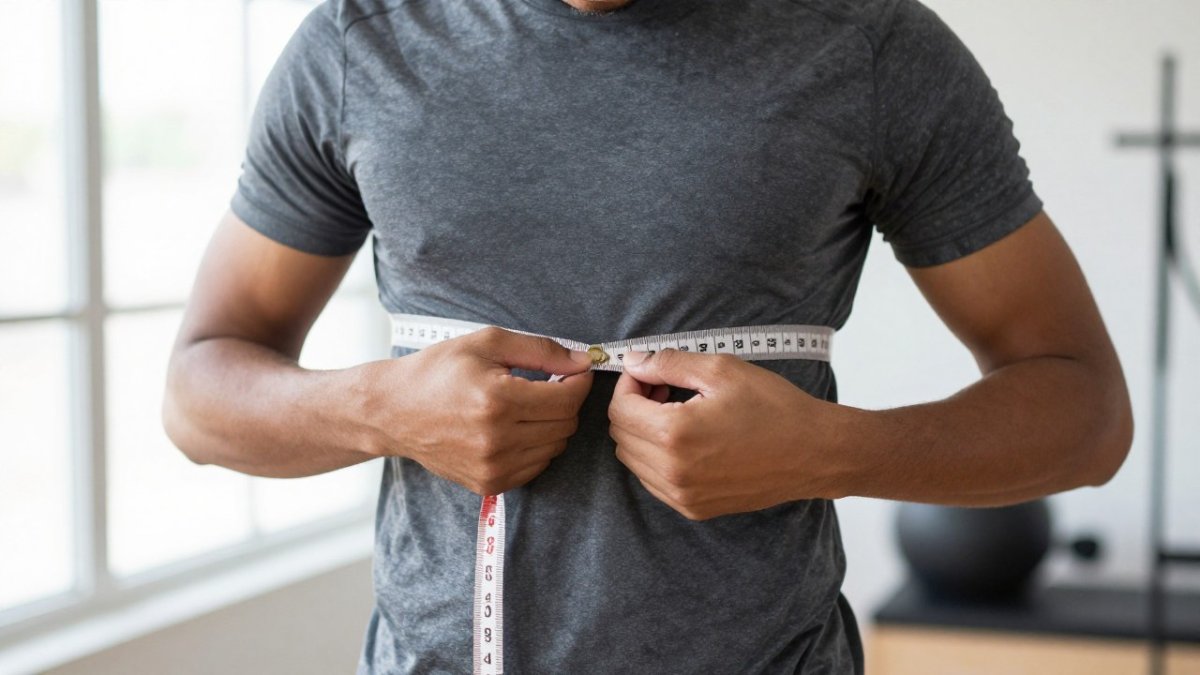
- Step 1: Chest. Wrap the tape under your armpits and across the fullest part of your chest. Keep it level and snug, not tight.
- Step 2: Shoulders. Measure from the edge of one shoulder bone to the other, across the back. Shoulder width matters more than most people expect.
- Step 3: Waist. Measure around your natural waistline, usually just above the belly button. Breathe normally.
- Step 4: Thighs. Measure the widest part of one thigh, about two inches below the seat. Repeat on the other leg and use the larger number.
Write all four numbers down. You will need them for the size chart in the next section. Common mistake: measuring over loose clothing, which adds inches that don't exist.
How to Read a Size Chart for Athletic Builds
A size chart only helps if you compare the right numbers. The workflow below turns your four measurements into a size decision and a backup plan, which is where most athletic-fit shoppers lose time and money.
Step 1: Separate body measurements from garment measurements. Body measurements describe you. Garment measurements describe the flat-laid item, chest width pit-to-pit, shoulder seam to shoulder seam, waist across the top of the waistband, thigh width at the crotch seam, and inseam. When a product page lists garment measurements, trust those over the size label, because vanity sizing varies by brand.
Step 2: Match your limiting measurement first. For tops, your chest and shoulder measurements usually decide the size. If chest points to Medium and shoulders point to Large, start with Large and plan to have the waist taken in if needed.
Step 3: Compare garment measurements to your body with ease allowance. A shirt's pit-to-pit measurement should exceed half your chest circumference by roughly 2-4 inches for a fitted athletic look, more for layering. A pant's flat waist measurement should be close to half your waist circumference, and the flat thigh should exceed half your thigh circumference by at least an inch so you can sit and squat.
Step 4: Read the fit notes, not just the chart. Look for language like "athletic through the seat and thigh," "tapered leg," "roomy shoulder," or "slim through the waist." Reviews that mention "runs small in the thighs" or "gapes at the back waist" are more useful than star ratings for predicting your fit.
Step 5: Order two sizes when you are between sizes. For online shopping, buying two sizes and returning one is often cheaper than a bad fit you keep. Check the return window and whether return shipping is free before you order. Keep tags on and try both against the movement test below.
Watch out: measuring over loose clothing or guessing your waist from your pant size adds inches that do not exist and pushes you into a size that gaps at the back.
For different proportions, adjust the order: taller athletes with long torsos should check body length and sleeve length on the garment, shorter athletes with thick thighs should prioritize thigh width and rise, and anyone with a high shoulder-to-waist ratio should treat shoulder width as the first filter for tops.
How Athletic Fit T-Shirts Should Fit Across the Shoulders and Chest
A well-fitting athletic tee should follow the shoulder seam to the edge of your shoulder bone, not drop down your arm. The chest should feel roomy enough to move without the fabric pulling sideways.
Check the length too. The hem should reach your waistband or sit just below it. If it rides up when you raise your arms, the sleeves may be too tight across the upper arm.
The Essential Tech Short Sleeve Tee from Forcis uses a poly, cotton, and spandex blend with stretch for movement.
The article gives a few specific fit checks for a tee, summarised below for quick scanning.
Check |
Where it should sit |
Sign of a problem |
|---|---|---|
Shoulder seam |
Edge of your shoulder bone |
Seam drops down your arm |
Hem |
At or just below the waistband |
Rides up when you raise your arms |
Sleeves |
Not tight across the upper arm |
Pulls or rides up when you raise your arms |
Chest |
Roomy enough to move |
Fabric pulls sideways |
How Athletic Fit Jeans and Pants Should Fit Through the Seat and Thighs
Pants should fit snug at the waist without gapping at the back. If you can slide a hand behind your back easily, the waist is too big. The seat and thighs need room to move, but the rise should not sag.
When you sit down, the fabric across your thighs should stretch without digging in. Athletic fit pants often taper toward the ankle, which keeps the leg line clean without extra bulk at the hem.
For training shorts, look for four-way stretch fabric. The Standard Issue 6.5 Short uses four-way stretch with a lightweight brief mesh liner.
Try It On: A Movement Test Before You Keep the Garment
Fit in the mirror is not the same as fit in motion. Run this test per garment type and note what you see, not just how it feels.
Shirts and tops. Raise both arms overhead and watch the hem, if it climbs above your waistband by more than an inch, the body is short or the armholes are tight. Reach forward as if hugging someone; the shoulder seam should stay near your shoulder bone, not slide toward your neck. Check the chest: fabric should lie flat without horizontal pull lines from the armpit to the button placket.
Jackets and outerwear. Button or zip up, then cross your arms. The back should not pull tight across the shoulder blades, and the sleeve should not ride up past your wrist. Raise your arms, a jacket that lifts the whole hem is too narrow through the chest and armhole. Check that you can layer a midweight top underneath without the shoulders binding.
Trousers and jeans. Sit down fully and check the back waist, if it gapes more than a finger's width, the waist is too big or the rise is wrong. Squat all the way down; the seat and thigh should stretch without pinching or showing strain lines at the crotch seam. Stand and check the thigh: fabric should drape, not cling, and the taper should not grab your calf.
Dresses and skirts (for athletic builds with broader shoulders or muscular legs). Raise your arms, the bodice should not pull up at the hem. Sit down and check that the skirt or dress does not ride up or strain across the hips. Twist your torso; the fabric should move with you without pulling across the chest or back.
Activewear. Lunge, squat, and do a few arm circles. Four-way stretch should recover, if the fabric stays stretched out or feels thin at the knees or seat, it will not hold fit over time. Check that waistbands stay put during a squat and that liners do not chafe.
Signs to return the garment. Pull lines radiating from a seam, gaping at the chest or back waist, hem climbing past your waistband, fabric that restricts breathing or blood flow, or a seat that sags when you stand. If a piece fails two or more checks, return it, a good athletic fit should pass all of them without feeling like you are holding back.
Watch out: testing only in a mirror hides restriction. Do the movements in the fitting room or at home with tags on, and keep the packaging until you have completed the full test.
Choosing Your First Athletic Fit Pieces from Forcis
Start with two or three pieces you will wear often, not a full wardrobe. A tee and a pair of training shorts give you a good baseline for testing your measurements and the movement check.
For everyday training, the Essential Tech Tank is made with a poly, Tencel and spandex blend for softness and moisture wicking, and it is lightweight and breathable. If you prefer a tee for the gym and out, the Essential Tech Short Sleeve Tee works across both.
For running, the Mercury Runner 2.0 Short combines a lightweight four-way stretch fabric with a side hidden back yoke zipper pocket and a breathable mesh liner with a cell phone pocket.
Not sure which pieces hold up under hard training? Our guide on which athletic wear holds up to CrossFit training covers durability alongside fit. Check the tops size chart and the bottoms size chart against your measurements before you order.
Frequently Asked Questions
Is athletic fit tighter than straight fit?
Yes, in most cases. Straight or regular fit keeps the same width from chest to hem. The tighter feeling in athletic fit is usually at the waist and thighs, not the shoulders, which is why people with broad upper bodies often find it more comfortable. Always check the garment measurements, because brands define these labels differently.
What is the difference between athletic fit and slim fit?
Slim fit is narrower throughout, with less room in the chest, arms and thighs. If you have broad shoulders or muscular legs, slim fit often pulls across the body.
How should athleticwear fit?
Performance pieces should be snug enough to stay in place during movement but never restrict it. Shirts should sit smoothly across the shoulders without seams sliding down the arm, and fabric should not pull across the chest when you raise your arms. Shorts and pants should allow a full squat or lunge without the seat or thighs straining. Four-way stretch fabric gives some give, but it should not be your main source of room.
How do you find athletic fit clothing that works for you?
Start by measuring your chest, shoulders, waist and thigh, then compare those numbers to the garment measurements listed on each product page, not just the size label. Check whether the brand offers athletic fit, regular fit or slim fit options. Read reviews from people with a similar build, and buy from retailers with clear return policies so you can test fit at home. A simple movement test, described above, will show you quickly whether a piece works.


